
The presence of young actresses in the adult film industry has long been a subject of debate, fascination, and scrutiny. While the term “young” can carry many meanings, within the adult industry it strictly refers to performers who are 18 years of age or older, the legal threshold required for participation. Understanding how young women have entered, shaped, and been affected by the adult film industry requires a nuanced look at history, shifting social attitudes, economic realities, and emerging technologies.
Historical Context
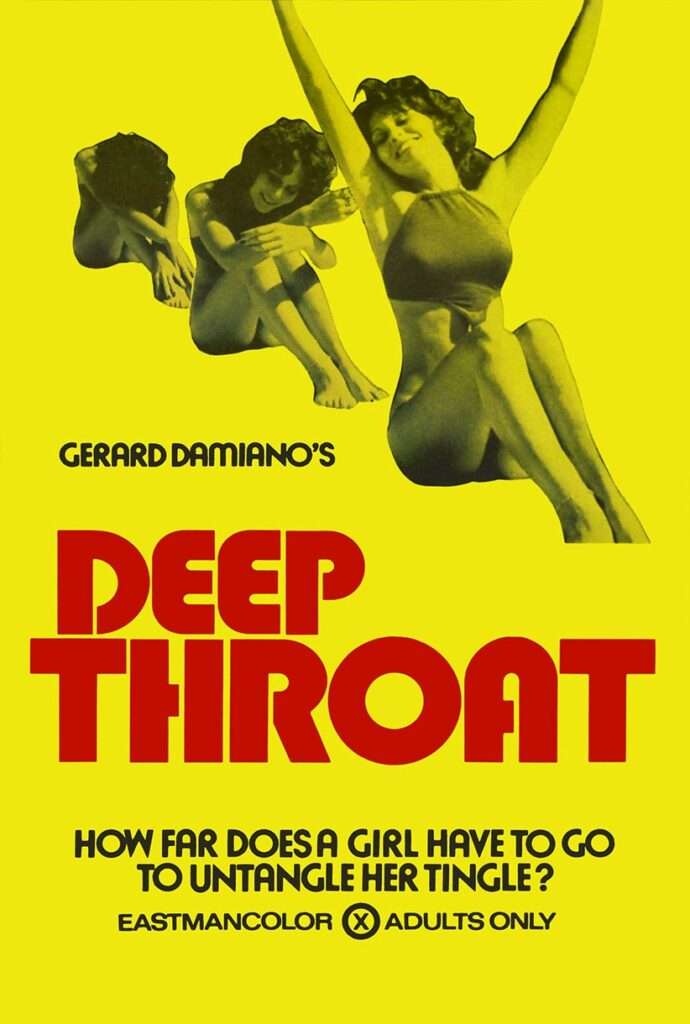
The adult film industry as a commercial enterprise began to take recognizable shape in the early to mid‑20th century, but it was during the so‑called “Golden Age of Porn” in the 1970s that performers—many of them young women in their late teens or early twenties—became public figures. Films such as Deep Throat and Behind the Green Door brought adult cinema into mainstream conversation, blurring the lines between exploitation, liberation, and entertainment.
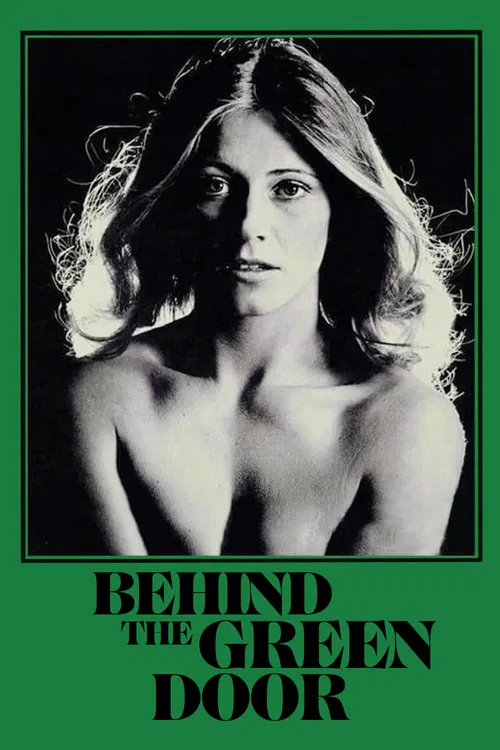
During this era, the industry was largely controlled by male producers and distributors, with limited protections for performers. Young actresses were often drawn in by promises of quick money, glamour, or fame, but contracts were opaque and long‑term consequences poorly understood. While some performers later described their experiences as empowering, many others spoke about coercion, lack of agency, and minimal financial security.
The 1980s and 1990s saw a shift toward home video and later DVD distribution, dramatically increasing demand for new faces. Youth became a marketable aesthetic, and “fresh” or “newcomer” branding emerged as a major selling point. At the same time, advocacy for performer rights slowly grew, alongside the first serious conversations about workplace safety, consent, and health.
Contemporary Tendencies
Today’s adult film industry looks very different from its earlier incarnations. The rise of the internet, tube sites, and subscription platforms has decentralized production and distribution. Young actresses entering the industry now do so in a landscape where traditional studios coexist with independent creators, fan‑subscription models, and social‑media‑driven branding.
One of the most significant tendencies is earlier entry combined with shorter careers. Many young women enter the industry shortly after turning 18, often staying only a few months or years. The accessibility of platforms like OnlyFans and other direct‑to‑consumer services has made it possible for performers to monetize content without relying on large studios, giving them more control over schedules, boundaries, and income streams.
However, this autonomy comes with trade‑offs. Young actresses today must navigate online harassment, piracy, and the permanent digital footprint of adult content. Decisions made at 18 or 19 can have long‑term implications for future employment, relationships, and mental health. While information is more readily available than in previous decades, the speed and scale of online exposure are unprecedented.
Another notable trend is the increasing emphasis on consent and transparency. Reputable production companies now highlight consent protocols, STI testing, and performer advocacy as part of their branding. Performer‑led organizations and online communities provide peer support, legal resources, and education, helping young women make more informed choices than in the past.
Social and Cultural Shifts
Public attitudes toward sex work and adult entertainment have evolved, particularly among younger generations. Feminist discourse around agency, bodily autonomy, and labor rights has influenced how young actresses frame their participation. For some, adult performance is positioned as entrepreneurial work rather than exploitation, especially when combined with self‑production and personal branding.
At the same time, critics argue that structural inequalities—such as economic pressure, gender norms, and algorithm‑driven demand for youth—still shape who enters the industry and why. The popularity of “youthful” aesthetics raises ongoing ethical questions about how desire, age, and power intersect, even within legal boundaries.
The Future of the Industry for Young Women
Looking ahead, the future of the adult film industry for young actresses will likely be shaped by technology, regulation, and cultural accountability. Artificial intelligence, deepfake concerns, and biometric verification are already prompting new discussions about identity, consent, and content ownership. Stronger age‑verification systems may reduce underage access while simultaneously increasing scrutiny on performers’ documentation and privacy.
Economically, the creator‑driven model is expected to continue expanding. Young women entering the industry may increasingly see themselves as independent media producers rather than performers for hire. This could lead to greater financial stability for some, but it also places the burden of marketing, legal compliance, and mental resilience squarely on individuals.
There is also growing momentum around exit pathways—resources that help young actresses transition out of the industry when they choose to do so. Education, financial planning, and stigma reduction will be critical factors in determining whether participation in adult entertainment becomes a temporary phase or a lasting barrier.
Conclusion
The story of young actresses in the adult film industry is neither singular nor simple. It is a history marked by exploitation and empowerment, shaped by market forces and personal choice. While today’s young women have more tools, information, and autonomy than their predecessors, they also face new risks tied to digital permanence and cultural judgment.
Understanding these dynamics requires moving beyond stereotypes and moral panic toward a realistic appraisal of labor, consent, and agency. As the industry continues to evolve, the experiences of young actresses will remain a key lens through which broader questions about sexuality, work, and power in the modern age are examined.